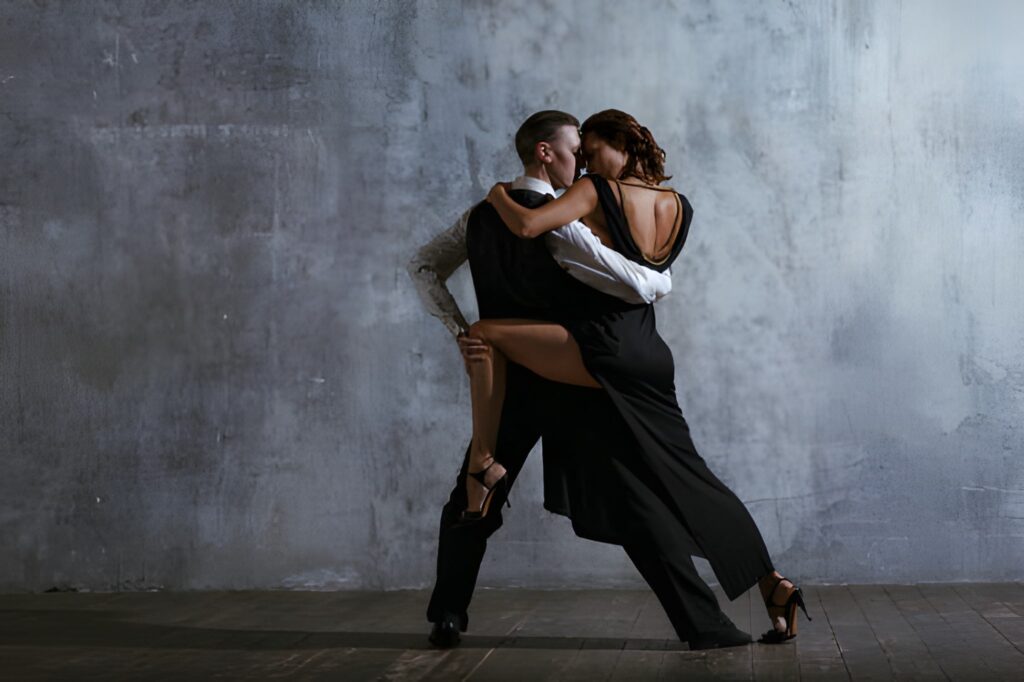


Discover why Arthur Murray instructors recommend Foxtrot as the foundation dance and how mastering it accelerates your progress in every other style.
When you begin dance lessons at Arthur Murray, your instructor will likely introduce you to the Foxtrot within your first few sessions. There’s a reason why this elegant dance sits at the foundation of ballroom education. It has everything to do with how Foxtrot skills transfer to virtually every other dance you’ll learn.
Understanding why Arthur Murray teachers prioritize Foxtrot helps you appreciate the method behind your dance curriculum and maximizes the benefits you’ll gain from every lesson.
The Foundation Dance: Why Foxtrot Comes First
The Foxtrot occupies a unique position in ballroom dance education. Unlike flashier dances that might seem more exciting to beginners, Foxtrot teaches fundamental movement principles that apply universally across dance styles.
When you master Foxtrot basics, you’re not just learning one dance. You’re building a movement vocabulary that accelerates learning in Waltz, Tango, Quickstep, and even Latin dances like Rumba and Cha-Cha.
The Slow-Quick-Quick Timing
Foxtrot introduces dancers to the concept of varied timing within a single dance. The signature slow-quick-quick rhythm teaches you to:
- Count music accurately while moving
- Adjust your step length based on timing
- Maintain smooth transitions between faster and slower movements
- Develop musical awareness that transfers to all partner dancing
This timing foundation proves invaluable when you encounter more complex rhythmic patterns in advanced dances.
Physical Benefits of Foxtrot Training
Posture Development
Foxtrot requires an upright frame that naturally improves your posture. The dance demands a lifted chest, engaged core, and aligned spine. These positions become habitual with regular practice.
Students who focus on Foxtrot often notice improved posture in daily life. They stand taller at work, walk with more confidence, and experience fewer back-related discomforts.
Smooth Movement Quality
The traveling nature of Foxtrot develops what dancers call “smooth” movement. The ability to move continuously across the floor without visible bouncing or jarring transitions.
This smooth quality becomes your default movement style, enhancing every dance you learn afterward. Even when you progress to Latin dances with different movement qualities, your body retains the control and awareness developed through Foxtrot training.
Balance and Weight Transfer
Every Foxtrot step requires precise weight transfer from one foot to the other. You learn to:
- Move your body center smoothly over your supporting foot
- Maintain balance during directional changes
- Control momentum while traveling across the floor
- Recover quickly from unexpected partner movements
These weight transfer skills become automatic, improving your stability in all physical activities beyond dancing.
The Foxtrot Connection to Other Dances
Waltz Connections
Foxtrot and Waltz share the same smooth character and many similar movements. Students who develop strong Foxtrot fundamentals find Waltz progression remarkably natural.
The main difference (Waltz uses 3/4 timing while Foxtrot uses 4/4) feels manageable when your body already understands smooth traveling movement.
Tango Relationships
While Tango has a distinct staccato character, many Foxtrot patterns translate directly. The promenade position, outside partner steps, and traveling movements all appear in Tango with modified styling.
Your Foxtrot experience provides the vocabulary; Tango simply adds a different accent. For more on this topic, check out 7 Social Dancing Blunders You Can Avoid. You might also enjoy 5 Tips for Finding The Rhythm in Salsa.
Quickstep Evolution
Quickstep developed directly from Foxtrot, maintaining similar patterns at a faster tempo with added hops and runs. Students comfortable with Foxtrot fundamentals adapt to Quickstep more readily than those who skip foundational training. Learn more in 5 Steps For A Great Dance Lesson.
Latin Dance Benefits
Even though Latin dances have different movement qualities, Foxtrot training contributes:
- Strong frame awareness (essential for Latin lead/follow)
- Musical counting skills (applicable to Cha-Cha, Rumba, and Salsa timing)
- Balance control (critical for Cuban motion and Latin hip action)
- Partner connection (universal across all couple dances)
Social Dancing Advantages
The Versatile Social Dance
Foxtrot works with an enormous range of music. From classic big band standards to contemporary pop songs, Foxtrot timing fits countless musical selections.
At social dances, weddings, and parties, Foxtrot becomes your reliable go-to dance. When you’re uncertain about a song’s rhythm, Foxtrot often works perfectly.
Conversation-Friendly Movement
Unlike faster dances that demand constant attention to footwork, Foxtrot’s smoother tempo allows for conversation while dancing. This makes it ideal for:
- Getting to know new dance partners
- Social events where connection matters more than performance
- Wedding receptions where you want to interact with guests
- Building comfort with partner dancing before tackling complex patterns
Floor Navigation Skills
Foxtrot requires navigation around other couples on the dance floor. You learn:
- Line of dance awareness (counterclockwise floor movement)
- Obstacle avoidance while maintaining pattern flow
- Speed adjustment based on floor conditions
- Recovery techniques when space becomes limited
These navigation skills transfer to every traveling dance you’ll ever perform.
Why Instructors Insist on Foxtrot Fundamentals
Building Muscle Memory Correctly
Your Arthur Murray instructor knows that movement patterns learned early become deeply ingrained. By introducing Foxtrot first, they ensure your muscle memory develops around correct fundamentals rather than habits that require later correction.
Progressive Curriculum Design
The Arthur Murray curriculum positions Foxtrot strategically. Each level builds on previous skills, and Foxtrot patterns introduce concepts needed for upcoming material.
Skipping or rushing through Foxtrot creates gaps that complicate later learning. Trust your instructor’s pacing. They’re sequencing your education for optimal long-term results.
Confidence Building
Foxtrot’s elegant simplicity builds confidence without overwhelming beginners. The dance looks impressive while remaining achievable, providing early success experiences that motivate continued learning.
Making the Most of Your Foxtrot Training
Practice Recommendations
- Focus on quality over quantity. Clean basics beat sloppy advanced patterns
- Practice the Magic Step until it feels completely natural
- Work on frame and connection, not just footwork
- Dance Foxtrot socially whenever possible to build comfort
Common Beginner Challenges
Rising and falling: Unlike Waltz, Foxtrot stays relatively level. Avoid bouncing through your slows.
Step length variation: Slow steps should travel farther than quick steps. Many beginners make all steps equal length.
Frame maintenance: Keep your connection with your partner consistent throughout patterns, not just during specific movements.
The Long-Term Foxtrot Investment
Students who embrace their instructor’s emphasis on Foxtrot fundamentals experience faster overall progress. They move through curriculum levels more smoothly, enjoy social dancing sooner, and develop style qualities that distinguish good dancers from mediocre ones.
When your Arthur Murray teacher recommends focusing on Foxtrot, they’re making an investment in your entire dance future. Trust the process, practice the fundamentals, and watch how Foxtrot transforms every dance in your repertoire.
Frequently Asked Questions
Why do instructors start with Foxtrot instead of something more exciting?
Foxtrot teaches fundamental movement principles that apply to all dances. Starting with Foxtrot builds correct muscle memory and accelerates learning in every style you’ll study afterward. The excitement comes from the confidence and capability you develop.
How long should I focus on Foxtrot before moving to other dances?
Your instructor will guide this progression based on your individual development. Most students begin adding other dances while continuing Foxtrot development. The dances complement each other rather than competing for attention.
Can I dance Foxtrot to modern music?
Yes. Foxtrot works with an enormous range of music from classic standards to contemporary pop songs. Any music in 4/4 time with moderate tempo suits Foxtrot beautifully.
What’s the difference between Foxtrot and Quickstep?
Quickstep evolved from Foxtrot and shares similar patterns. The main differences are tempo (Quickstep is faster) and character (Quickstep includes hops, runs, and more energetic movements). Strong Foxtrot skills make Quickstep learning much easier.
Will Foxtrot help me at weddings and social events?
Foxtrot is ideal for social dancing. Its versatility with different music, conversation-friendly pace, and elegant appearance make it perfect for weddings, parties, and any social dancing occasion.
Ready to discover why Arthur Murray instructors recommend Foxtrot? Schedule your introductory lesson today and experience the foundation of ballroom dance excellence.